
Sustainability
A better planet begins in the field.
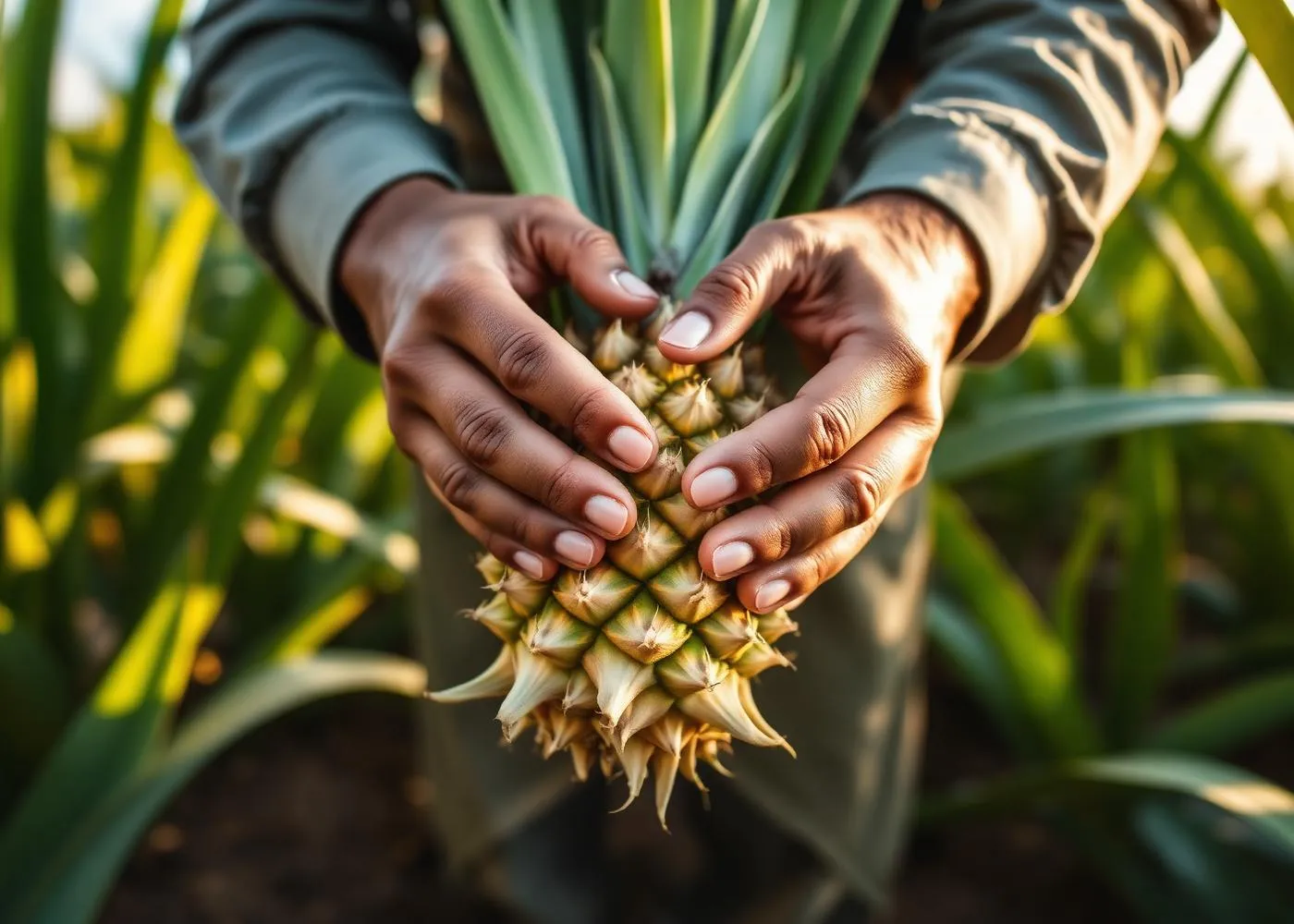
Ecovasa makes fiber and tableware from surplus agricultural residue — banana pseudostem, pineapple leaf, industrial hemp and milkweed — that would otherwise be burned or left to rot. Because the biomass already exists, no additional land, irrigation or fertiliser is allocated to the fiber. Extraction is mechanical, water is recirculated, no petro-based retting chemistry is used, and every untreated material composts at end of life. Our proposed sourcing model aims to pay farmers for usable residue that can be costly to clear.
Four principles
Waste is a resource
We source residues that would otherwise be burnt or discarded, turning field liabilities into feedstock.
Pay the field
We aim to create a new income opportunity through direct partnerships with farmers as sourcing develops.
Low-impact processing
Our processes are designed around minimal water and energy use, and no petro-based chemistry.
Compostable by default
Every material we make is designed to return safely to the soil at end of life.
The counterfactual is burning
India produces roughly 500 million tonnes of crop residue a year. Somewhere between 90 and 140 million tonnes of that is surplus — not needed for fodder, fuel or soil return — and a large share of the surplus is set alight in the field because clearing it any other way costs the farmer time and money at exactly the moment the next crop must go in.
That is the baseline our materials should be judged against. The carbon in a banana pseudostem is released either way; the only question is whether it leaves as smoke and methane in a week, or is held in a material for years and then composted. Diverting residue avoids open-burning emissions and particulate pollution, and it displaces a fiber that would have been grown or drilled.
Resource use, compared
The largest environmental savings in a residue fiber are the ones that never appear in the process: land not cleared, water not pumped, fertiliser not applied, pesticide not sprayed. What remains — collection logistics, mechanical extraction energy and drying — is where we actually optimise, by keeping collection radii short and using ambient drying where the climate allows.
| Input | Ecovasa residue fiber | Conventional cotton | Polyester |
|---|---|---|---|
| Dedicated land | None — residue stream | Dedicated cropland | None (fossil feedstock) |
| Irrigation for the fiber | None | Very high | None |
| Fertiliser / pesticide | None additional | High | None |
| Retting / processing chemistry | Mechanical, no petro-chemistry | Ginning + wet processing | Petrochemical synthesis |
| Process water | Recirculated wash water | High in wet processing | Moderate |
| End of life | Compostable | Biodegradable | Persistent, sheds microplastic |
| Farmer income potential | To be measured as sourcing begins | Primary crop income | None |
Figures describe resource allocation, not a certified life-cycle assessment. Published LCA work for specific Ecovasa product lines is in progress and will be shared as it is completed rather than estimated here.
Income at the field edge
A grower with banana pseudostem or pineapple leaf residue may face a cost to cut, move and dispose of it. Our planned model explores collection at or near the field and payment for usable biomass, potentially creating another revenue stream without changing the main crop.
Any financial benefit will depend on crop, quality, distance, season and agreed terms. We will publish measured results once cultivation and collection are underway, rather than predicting farmer earnings now.
Recognitions and memberships, explained
Startup India (DPIIT). National recognition for innovation-led ventures, which brings compliance and procurement eligibility relevant to public-sector buyers.
MSME. Registration as a micro, small and medium enterprise under the Government of India, the basis for formal supplier onboarding with larger buyers.
StartinUP. Recognition by the Government of Uttar Pradesh's startup policy, tying Ecovasa into the state's innovation and manufacturing ecosystem.
SIIF, UPTTI Kanpur. Incubation at the Startup Incubation & Innovation Foundation of the Uttar Pradesh Textile Technology Institute — a textile-specific technical base for fiber testing and process development.
FIBRAL — Global Plant Fibre Association. Ecovasa is a Producer Member of this global alliance of natural fibre value-chain stakeholders promoting plant-based materials and a circular bioeconomy.
DNFI — Discover Natural Fibres Initiative. Membership of the international body that tracks and advocates for natural fibre production worldwide.
Sustainability FAQ
- Why is using agricultural residue better than growing a fiber crop?
- Residue-based fiber carries no cultivation burden. The land, water, fertiliser and labour were already spent to grow food; the fiber is a second product from the same hectare. A dedicated fiber crop, however sustainably grown, allocates new land and water that could otherwise grow food or stay uncultivated.
- How much crop residue is available in India?
- India generates on the order of 500 million tonnes of crop residue annually, of which roughly 90–140 million tonnes is surplus to fodder, fuel and soil-return uses. A significant share of that surplus is burned in the field, which is a major seasonal contributor to North Indian air pollution.
- Does diverting residue harm soil health?
- It can if you take all of it. Soil needs organic matter returned. We source only surplus residue that would otherwise be burned or dumped — banana pseudostem after fruit harvest, pineapple leaf after the crop cycle — and we do not compete with fodder or with the residue farmers plough back.
- What does Ecovasa's process use in terms of water and chemicals?
- Extraction is mechanical rather than chemically retted. Water used in washing is recirculated, and no petro-based solvents or bleaching chemistry are used in the base fiber process. Cotton, by contrast, is one of the most water-intensive fibers grown, and conventional synthetic fiber production is petrochemical from the first step.
- Do farmers actually earn more?
- That is a goal of the model, not a measured result yet. We are exploring how to purchase usable post-harvest biomass from growers without changing what they grow. Payment terms and outcomes will be shared once collection begins.
- Are Ecovasa materials biodegradable or just 'bio-based'?
- Untreated Ecovasa fiber and uncoated moulded fiber products are fully cellulose-based and biodegrade without microplastic residue. We deliberately avoid PE lamination on tableware because it converts a compostable product into a non-recyclable composite.
- What recognitions and memberships does Ecovasa hold?
- Ecovasa is recognised under Startup India (DPIIT), MSME and StartinUP (Government of Uttar Pradesh), and is incubated by the Startup Incubation & Innovation Foundation (SIIF) at Uttar Pradesh Textile Technology Institute, Kanpur. It is a Producer Member of FIBRAL — Global Plant Fibre Association, and a member of the Discover Natural Fibres Initiative (DNFI).
- Can buyers trace where the fiber came from?
- Yes. Fiber lots are tied to the collection area and grower group they came from, and are supplied with grading data. Traceability is the reason our marketplace work exists — buyers increasingly need origin evidence, not just a sustainability claim.