
Rural bioeconomy & sourcing
Turning crop residue and dry-land plants into future opportunity.
We are seeking Farmer Producer Organisations, cooperatives and growers across India to explore banana stems, pineapple leaves, hemp stalks and milkweed as natural fiber sources — without touching food harvests.
4 fiber streams
Banana, pineapple, hemp, milkweed
Food-first
Residues and marginal land
FPO partnerships
A network in development
The residue burden
From a disposal challenge to a possible new fiber stream
Heavy banana stems waterlog fields and attract pests, pineapple leaves take months to break down, and hemp stalks need costly clearing. Burning harms soil and air; dumping costs money. Meanwhile milkweed grows unused on dry land.
| Traditional practice | With Ecovasa | |
|---|---|---|
| Field clearing | Residue can be difficult to manage | Collection options explored with local partners |
| Pests & moisture | Rotting stems can trap fungus and insects | Timely removal to be planned by cluster |
| Pollution | Burning releases smoke | Fiber recovery as an alternative to burning |
| Commercial terms | Residue may have no current buyer | Potential purchase terms discussed before collection |
| Dry land | Milkweed may be left unharvested | Potential milkweed fiber sourcing explored |
What we source
Four fiber streams across India
Banana pseudo-stems
Musa acuminata
Post-harvest stems can be processed into fiber for tableware, paper and textiles. Collection arrangements will be agreed with local partners.
Regions: Uttar Pradesh, Maharashtra, Gujarat, Tamil Nadu, Andhra Pradesh
Pineapple leaves
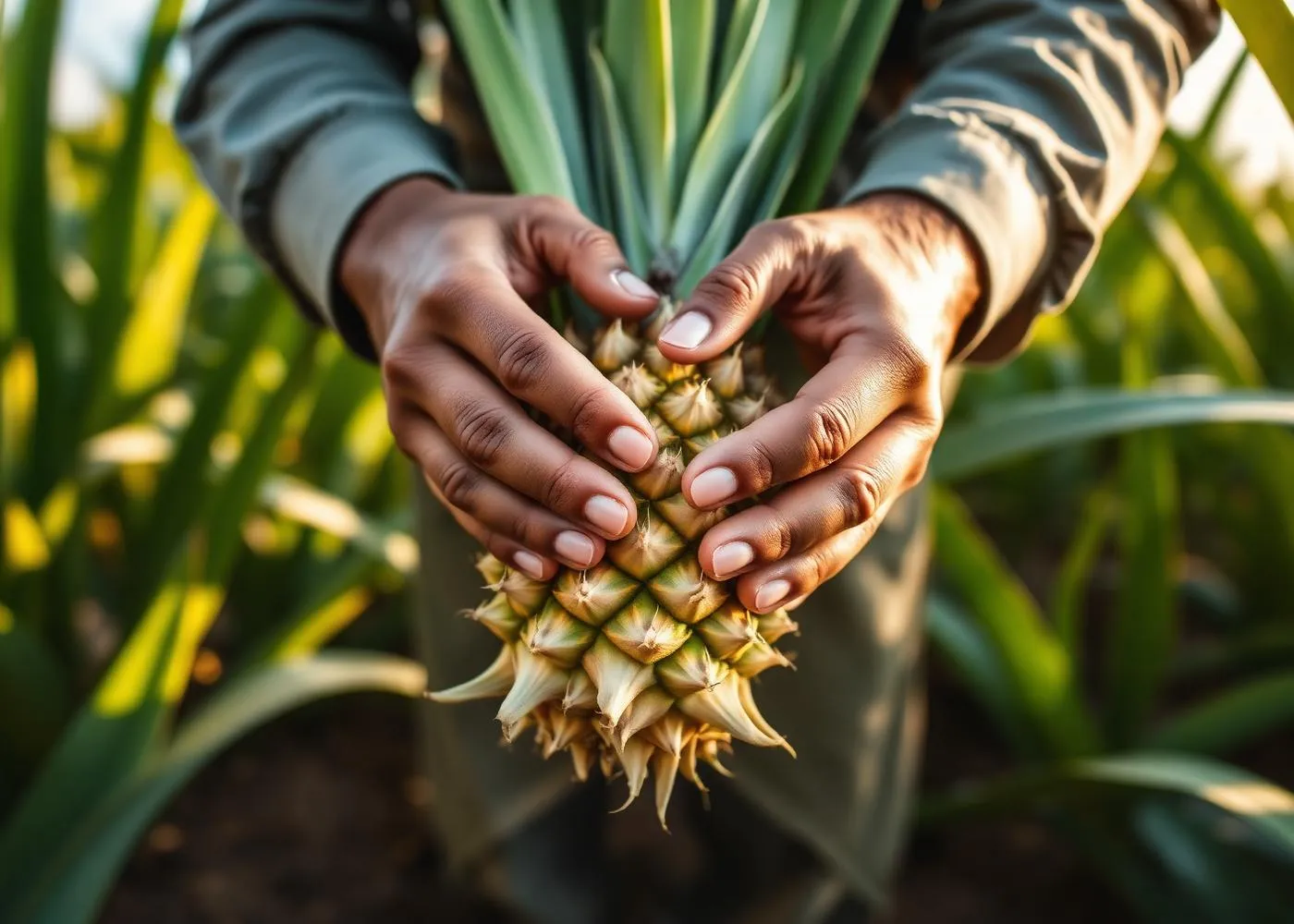
Ananas comosus
Leaves after harvest can yield fine fiber for textiles and leather alternatives.
Regions: Assam, Meghalaya, Tripura, West Bengal, Kerala
Industrial hemp stalks
Cannabis sativa L.
Where cultivation is permitted, stalks can yield bast fiber and woody hurd for biocomposites and insulation.
Regions: Licensed zones in Uttarakhand and approved state clusters
Milkweed floss & stems
Calotropis procera / gigantea
A dry-land plant with hollow seed floss and stem fiber; collection potential is being explored.
Regions: Rajasthan, Gujarat, Haryana, central India
How it works
Built to fit village life
- 01
Cluster mapping & onboarding
We plan to map farms, acreage and harvest windows with interested FPOs and cooperatives.
- 02
Collection planning
Together we can assess harvest timing, volumes and practical pickup options for each cluster.
- 03
Local processing
We aim to develop local fiber extraction as sourcing and processing capacity grows.
- 04
Clear commercial terms
Collection, grading and payment terms will be discussed and agreed before sourcing begins.
For FPOs & cooperatives
Growing FPOs into bioeconomy hubs
FPO participation
Partner FPOs can help shape practical collection and handling arrangements.
Local green jobs
Collection, drying and grading could create seasonal work as the network develops.
Potential from dry land
Milkweed may offer another fiber stream from rain-fed and unused land.
Back to the soil
Sap and leftover plant matter from extraction can be composted back into farm soils.
Join the supply network
Partner with Ecovasa
FPO director, cluster manager, grower or agriculture officer? Tell us about your crop and harvest calendar.
Frequently asked questions
- Does fiber extraction interfere with our fruit or crop sales?
- No. We only use post-harvest residues — banana stems, pineapple leaves, hemp stalks — and milkweed from marginal land. Your main harvest and sales stay untouched.
- What is the minimum acreage to partner as an FPO?
- We prefer clusters of 50–100 acres or more for dedicated collection routes, but individual growers can join through their local FPO or cooperative collection point.
- How will payments work?
- We are designing the collection and payment model with partner FPOs. Terms and settlement timing will be agreed before any collection begins.
- Who handles cutting and transport?
- That will depend on the local cluster. We will discuss harvest teams, equipment and transport with prospective partners before collection begins.
- Can milkweed grow on dry or unused land?
- Milkweed (Aak / Madar) grows on dry and degraded land. We are exploring collection for its seed floss and stem fiber in Rajasthan, Gujarat, Haryana and central India; commercial terms are not yet set.